
Short answer: A lighter, more reflective exterior can reduce solar heat gain, especially on older homes in hot, sunny climates. The effect is real, but reflective paint is not insulation and it cannot guarantee a fixed reduction in a utility bill. The benefit depends on the wall color, solar reflectance, climate, insulation, orientation and shade around the house.
Berkeley Lab modeled cool walls in more than 100,000 building simulations. Its researchers found the largest residential benefit in warm climates and in older buildings with less wall insulation. That makes reflective color a practical option for many Florida homes, while homeowners in Illinois and Wisconsin should also consider winter heating and freeze-thaw durability.
How Heat-Reflective Paint Works
A wall heats up when it absorbs sunlight. A reflective wall coating sends more of that energy back into the environment, so less heat moves through the wall and toward the conditioned space. Two properties describe how the surface handles heat:
- Solar reflectance: The fraction of the sun’s energy that the wall reflects, including invisible near-infrared energy.
- Thermal emittance: How effectively the surface releases heat after it absorbs it.
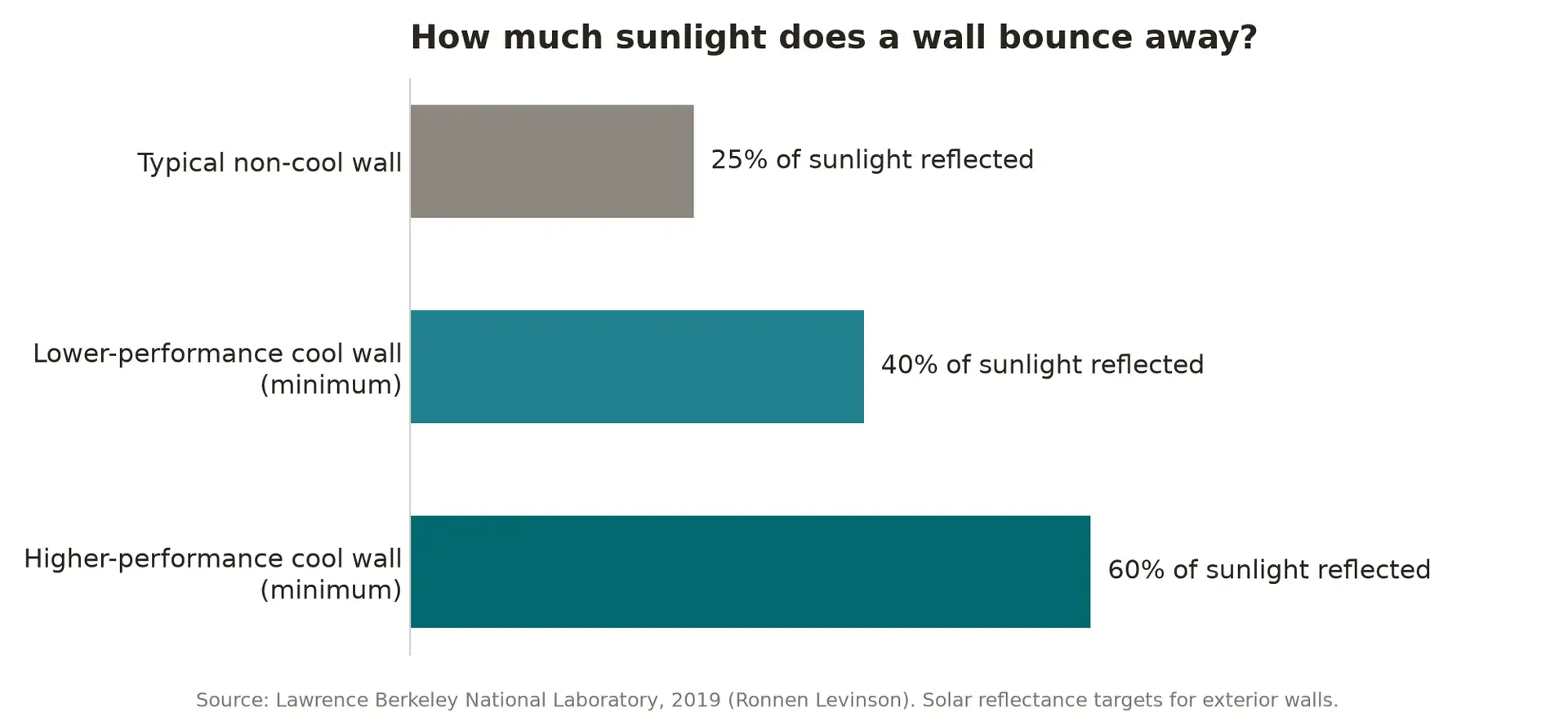
Berkeley Lab used an average non-cool wall with 25 percent solar reflectance as its baseline. Researcher Ronnen Levinson suggested at least 40 percent for a lower-performance cool wall and at least 60 percent for a higher-performance cool wall.
How Paint Labels Describe Reflectance
| Term | What it measures | Why it matters |
|---|---|---|
| Light reflectance value | Visible light reflected on a 0-to-100 scale | Useful for judging how light a color looks |
| Solar reflectance | All reflected sunlight, including near-infrared energy | The better indicator of solar heat absorbed by the wall |
| Thermal emittance | How well the surface releases absorbed heat | Explains why a shiny metal surface may still stay hot |
Are Lighter House Colors Better for Heat?
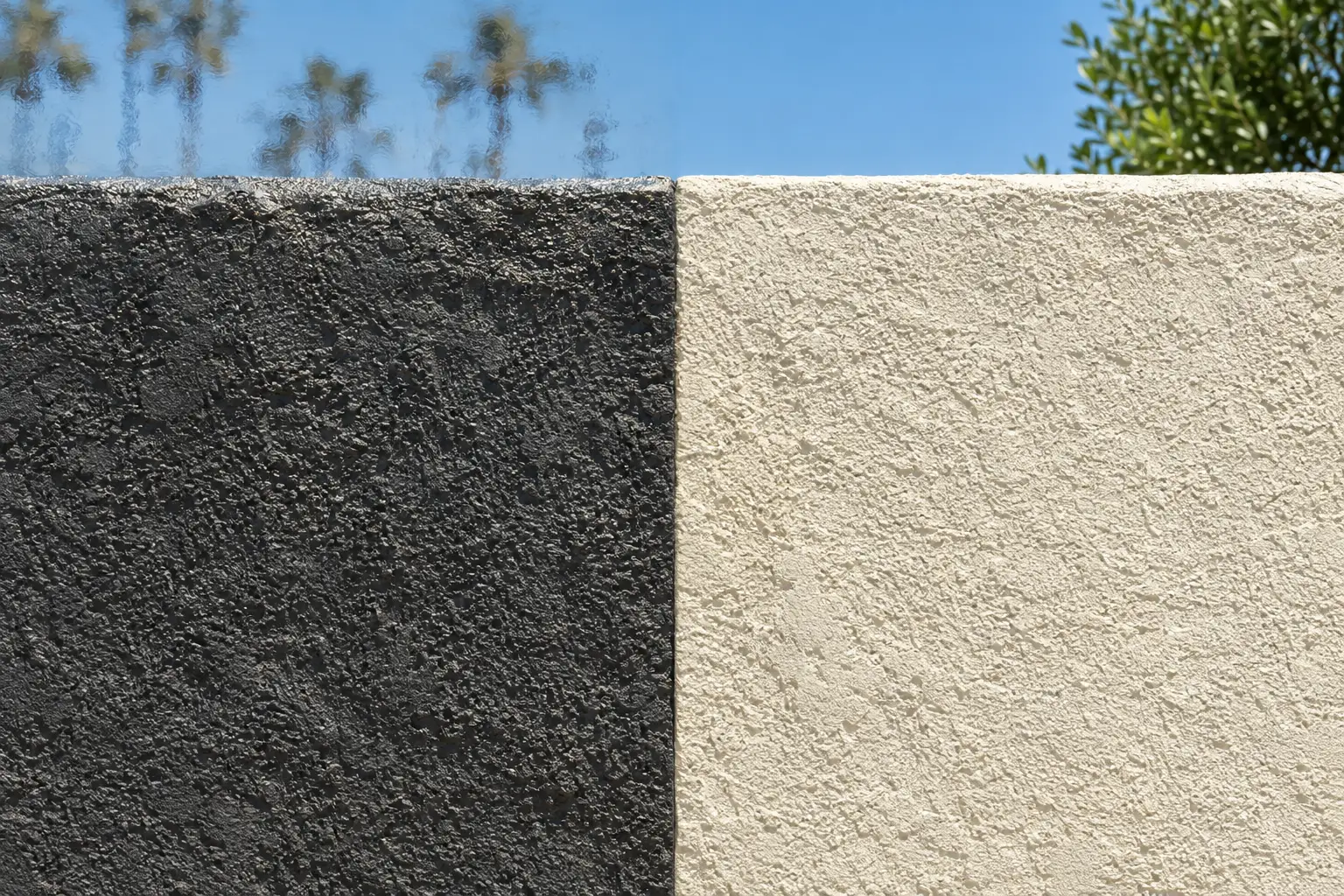
Usually, yes. Light colors tend to reflect more sunlight, so they are normally the coolest choice. Color appearance alone is not a complete test, however. Two paints that look similar can have different solar-reflectance values because one may reflect more near-infrared energy.
If a contractor describes a color as heat reflective, ask for the product’s solar reflectance and thermal emittance. The Cool Roof Rating Council wall-product directory publishes independently tested ratings for these properties and reports both initial and aged results.
What the Research Says About Savings
| Berkeley Lab finding | Modeled result |
|---|---|
| Annual HVAC cost savings for single-family homes in warm U.S. cities | Up to 8.3 percent |
| Single-family savings across California climates | 4 to 27 percent |
| Older buildings built to older codes compared with new buildings | Three to six times greater savings |
| Share of U.S. buildings constructed before 1980 | About 40 to 60 percent |
| Winter heating effect | Included in the model because cool walls can raise heating costs |
These are modeled results, not a promise for a particular home. A shaded wall, an insulated wall or a wall with little western exposure will respond differently from an unshaded block wall. A responsible estimate should consider the building before attaching a savings number to the coating.
Florida Homes Receive the Largest Benefit
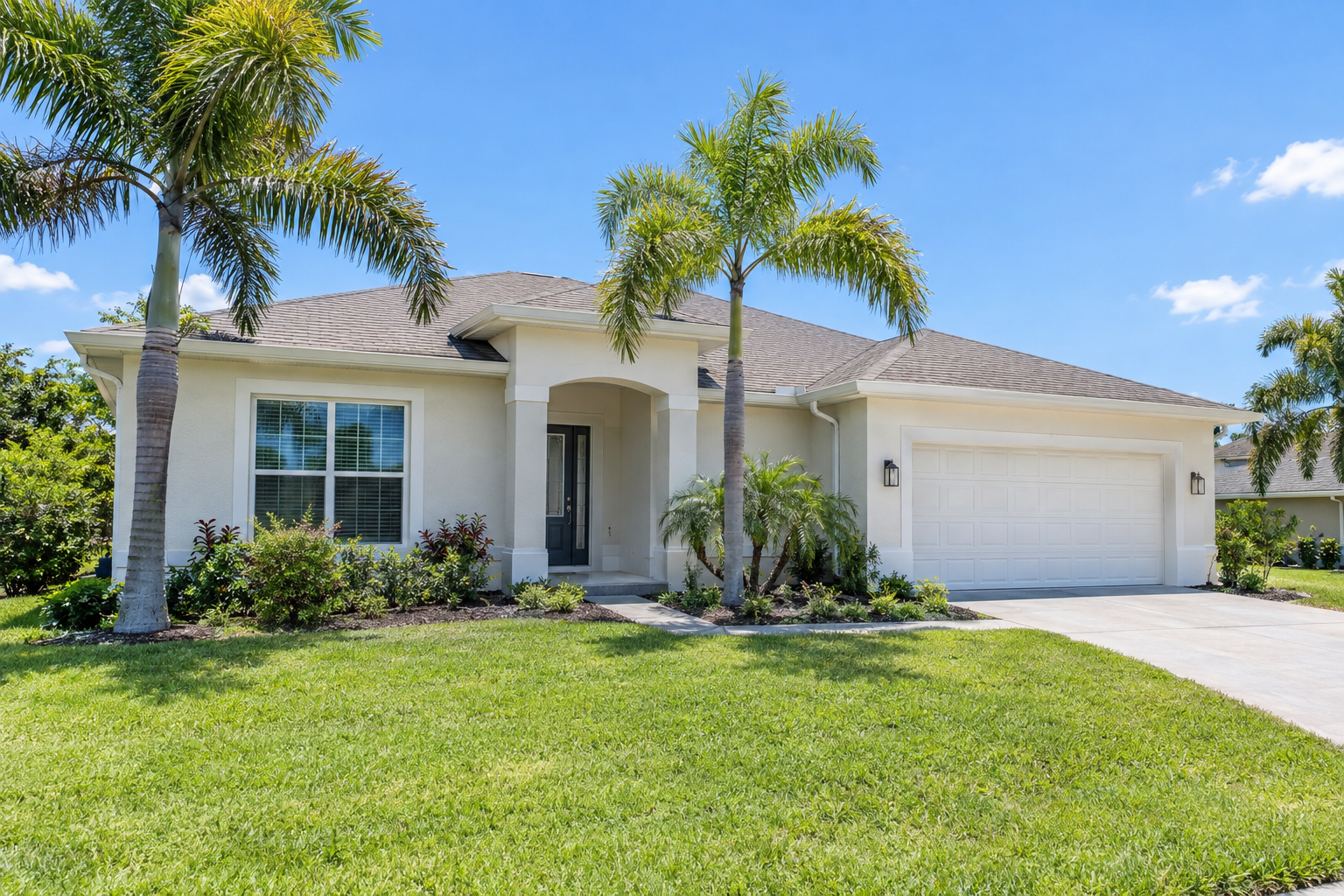
Many Florida homes have concrete-block walls with stucco finishes. Those walls can absorb heat all afternoon and release it after the sun goes down. A light, reflective exterior can reduce that surface heat gain, particularly on west- and south-facing walls. Older homes with less wall insulation resemble the building types that produced the strongest results in the Berkeley Lab simulations.
Color is only part of the decision. The wall still needs sound stucco, repaired cracks, working flashing and a coating system suited to Florida moisture. Read our guide to the best exterior paint for Florida stucco homes for more information about substrate preparation and long-term performance.
Illinois and Wisconsin Need a Balanced Color Choice
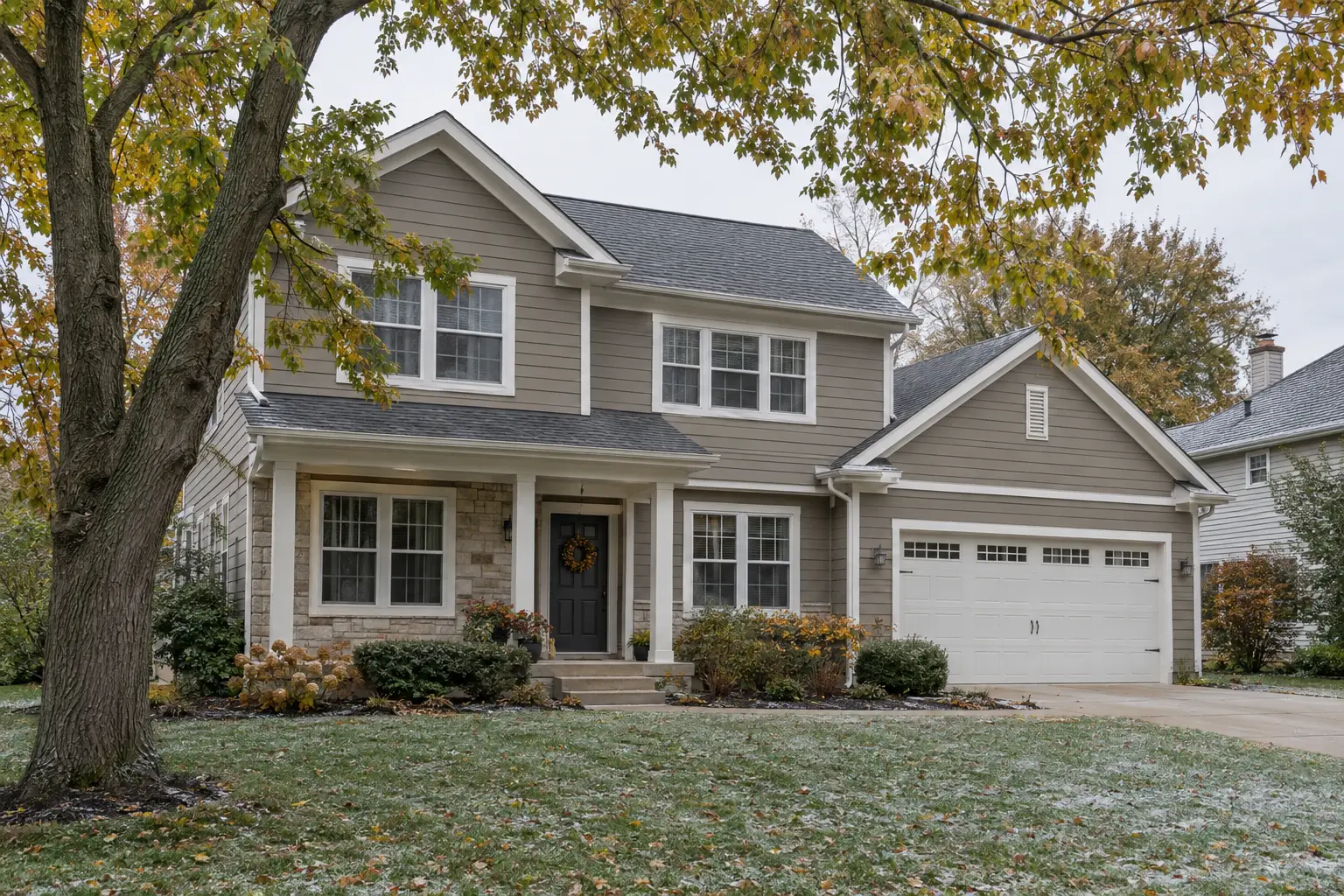
A very reflective wall also reflects winter sunlight. Berkeley Lab included the resulting heating penalty in its annual savings models. For homes around Chicago and Milwaukee, a light to mid-tone exterior can be a practical compromise, but reflectance is rarely the first problem to solve. The coating must survive moisture, temperature swings and repeated freeze-thaw cycles without peeling.
Red Flags in “Insulating Paint” Claims
Reflective paint and insulation perform different jobs. Reflective paint reduces the sunlight absorbed by the surface. Insulation slows heat moving through the wall assembly. In 2020, the Federal Trade Commission sued four coating companies over R-value and energy-savings claims that the agency said were deceptive.
- One group advertised 40 to 70 percent energy savings and an R-19 equivalent even though the FTC said the coating’s actual R-value was significantly below one.
- Other products were promoted as R-21, R-22 or greater than R-30. The FTC said those coatings also had R-values below one.
- ENERGY STAR retired its roof-products specification on June 1, 2022, so an ENERGY STAR claim for a current wall coating needs careful explanation.
Ask for the test standard, laboratory report, product name, tested color and aged rating behind any efficiency claim. A label is not a substitute for data that applies to the exact product being sold.
Walls and Roofs Do Different Work
A roof receives more direct solar exposure than a vertical wall, so roof reflectance has a separate set of products, ratings and installation requirements. If the main concern is an overheated attic, begin with the roof, ventilation and insulation. Reflective walls still matter on sun-exposed elevations, especially on lightly insulated masonry homes. Learn about Roof Shield coating if the roof is the primary source of heat gain.
Where Home Shield Coating® Fits
Home Shield Coating® is sold as a permanent exterior coating system, not as insulation. We do not promise an R-value or a fixed percentage reduction in a homeowner’s power bill. A light color can reduce solar absorption, but the system’s main purpose is to provide a durable, weather-resistant exterior that does not return the homeowner to a short repaint cycle.
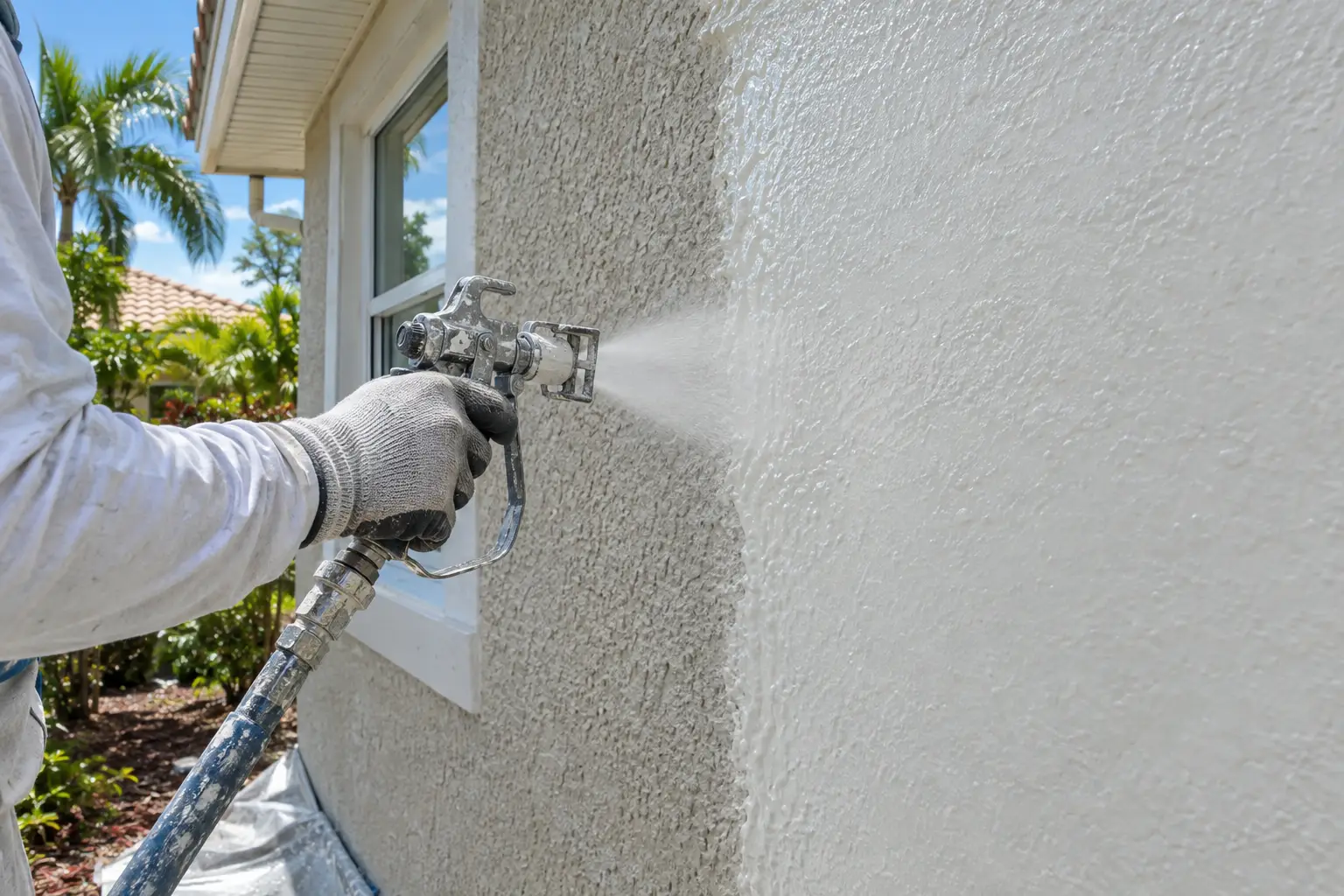
- Three sprayed coats: Our crews apply the Part A bonding-agent primer followed by two Part B topcoats with professional airless equipment.
- Specified film build: The current product data sheet calls for a 14-to-17-mil total dry-film thickness for the complete system.
- No thinning: The product specification requires the coating to be applied without thinning so the intended film remains on the wall.
- Long-term coverage: Qualifying residential projects receive a transferable 30-year combined warranty, including 10 years of labor and material coverage followed by 20 years of material coverage.
We help homeowners choose a color that suits the house and climate, then concentrate on the preparation and sprayed film thickness that determine whether the finish will last.
Questions to Ask a Reflective-Paint Contractor
- What are the solar reflectance and thermal emittance values for the exact product and color?
- Are the values listed in the Cool Roof Rating Council wall-product directory?
- Are the ratings initial values or aged values after weather exposure?
- Is anyone claiming an R-value or guaranteed energy savings, and what test supports that claim?
- How will the contractor prepare the wall and verify the specified wet and dry film thickness?
Heat-Reflective Exterior Paint FAQ
Does heat-reflective paint lower electric bills?
It can reduce cooling demand, particularly on older homes in hot, sunny climates. Berkeley Lab modeled annual HVAC cost savings up to 8.3 percent for single-family homes in warm U.S. cities, but an individual home’s result depends on its walls, insulation, shade, orientation, equipment and utility rates.
Is heat-reflective paint the same as insulation?
No. Reflective paint reduces the solar energy absorbed at the wall surface. Insulation slows heat flow through the wall assembly. A thin coating should not be sold as the equivalent of conventional R-19 or R-30 insulation.
Is white the only cool color?
No. White is generally coolest, but near-infrared-reflecting pigments can make other colors perform better than their appearance suggests. Ask for the solar-reflectance value for the exact color.
Does reflective paint work in winter?
It continues reflecting sunlight in winter, which can slightly increase heating needs in cold climates. That tradeoff is one reason color and climate should be considered together.
What light reflectance value is considered heat reflective?
Light reflectance value only measures visible light. Solar reflectance is the better heat-performance number because it also includes near-infrared energy. Berkeley Lab used 40 percent and 60 percent solar reflectance as suggested cool-wall benchmarks.
Choose a Cooler Color That Lasts
If you want a lighter exterior and a finish designed to outlast an ordinary repaint, we can inspect the house and explain the options. We will compare the surface preparation, coating system, warranty and price so you can decide what fits the home.
Call 800-330-9651 or request a free estimate online.