
Best Paint for Hardie Board Siding (2026): Products, Costs & Long-Term Options
The best paint for Hardie Board siding is a high-quality 100% acrylic exterior topcoat that is compatible with fiber-cement siding. James Hardie confirms that its pre-primed siding should receive an acrylic topcoat, while ColorPlus® siding arrives factory-finished and may be repainted later if desired. Popular contractor-grade choices include Sherwin-Williams Emerald or Duration, Benjamin Moore Aura or Regal Select, and Behr Marquee. Actual service life depends on the paint system, preparation, exposure, color, and workmanship, so follow the selected coating manufacturer’s written specifications rather than relying on one universal repaint interval. Home Shield Coating® is a higher-up-front-cost alternative backed by a 30-year combined transferable warranty and a 10-year labor guarantee. This guide explains the choices, preparation, costs, and long-term tradeoffs.
Can You Paint Hardie Board Siding?
Yes. Hardie Board (fiber cement) is paintable. James Hardie says pre-primed siding should receive an acrylic topcoat; ColorPlus® siding is already factory-finished and can be repainted if you later choose a different color. Its current manufacturer guidance describes a 15-year limited ColorPlus® finish warranty covering paint and labor for peeling, cracking, and chipping, which is separate from the siding substrate warranty. Before refinishing, inspect the boards and review the current product, paint, and warranty instructions for your installation.
If your Hardie is past its factory ColorPlus® window, see our full guide to repainting Hardie board siding vs. permanent coating.
Best Paint for Hardie Board Siding: Product Recommendations
Our common contractor-grade choices for fiber cement include:
- Sherwin-Williams Emerald Exterior Acrylic Latex — premium hide and color retention.
- Sherwin-Williams Duration Exterior Acrylic — a high-build acrylic option with good flexibility.
- Sherwin-Williams SuperPaint Exterior Acrylic — a widely used mid-tier option.
- Sherwin-Williams A-100 Exterior Latex — a cost-conscious 100% acrylic option.
- Benjamin Moore Aura Exterior — a premium exterior acrylic.
- Benjamin Moore Regal Select High Build — useful where additional hide is desired on textured siding.
- Behr Marquee Exterior — a commonly available retail option.
- PPG Timeless Exterior and Valspar Duramax Exterior — additional acrylic options to compare.
- Home Shield Coating® — a commercial-grade coating system backed by a 30-year combined transferable warranty and a 10-year labor guarantee.
The key is compatibility, not a brand name alone. Use an exterior acrylic product labeled for the existing fiber-cement surface and follow its current technical data sheet. We found no current James Hardie source supporting a universal “LRV 55 or higher” rule for repainting this siding, so that earlier claim has been removed.
Best Exterior Paint for Hardie Board: What Actually Determines the Result
Brand matters less than surface condition, compatibility, preparation, and application:
- Coating compatibility. Choose an exterior acrylic topcoat approved for the existing fiber-cement or previously painted surface. Follow the current product data sheet for primer, coat count, and recoat time.
- Sheen and color. Satin or low-luster is a common body-siding choice, but confirm that the color and sheen are supported by the selected coating system and any applicable warranty.
- Cleaning and prep. James Hardie advises against high-pressure power washing, which can damage the siding surface. Its homeowner guidance calls for a low-pressure garden hose and a soft, medium-bristle nonmetal brush. Let the surface dry fully, repair defects, and use a compatible primer only where the coating and substrate instructions require it.
- Application. Follow the selected coating manufacturer’s written specifications for film thickness, spray tip and pressure, overlap, drying conditions, and number of coats. Those details vary by product and should not be presented as one universal setting.
Hardie Board Paint by Situation
Intact ColorPlus® finish: Clean it according to the manufacturer’s care guidance. If you want to change color, confirm surface preparation, coating compatibility, and the effect on any remaining warranty before work begins.
Faded, chalking, or previously painted Hardie: Determine what coating is present, remove loose material without damaging the board, and use a compatible acrylic system following the product data sheet.
New pre-primed Hardie: Apply the acrylic topcoat required by James Hardie and the paint manufacturer. Factory-primed siding should not be treated as bare, unprimed masonry.
Coastal, hot, or high-UV climates: Prioritize color retention, mildew resistance, and a preparation/application plan suited to exposure. Avoid promising a fixed lifespan for every color and elevation.
Freeze-thaw climates: Select a flexible exterior system, correct moisture and caulk failures first, and apply within the product’s temperature and humidity limits.
Longest maintenance interval: Compare a conventional repaint with a commercial-grade coating such as Home Shield Coating®, including the written scope, preparation, coverage, exclusions, transfer terms, and labor warranty.
How Much Does It Cost to Paint Hardie Board Siding?
Hardie Board painting costs vary by the measured siding area, height and access, repair and cleaning needs, the existing finish, regional labor rates, coating system, and number of colors. A site-specific written estimate is more reliable than a universal per-square-foot figure.
- Ask contractors to separate cleaning, repairs, primer, finish coats, access equipment, and warranty coverage.
- Confirm whether the quoted area is wall surface, paintable siding surface, or total house floor area.
- Compare repaint and replacement only after damaged boards and water-management issues have been identified.
Repainting vs. a Long-Lasting Coating
A conventional acrylic repaint usually has the lower initial price and can be the practical choice when the existing siding is sound and the homeowner expects to maintain it as the finish weathers. Its future timing and cost depend on the selected product, prep, exposure, and labor market.
A commercial-grade coating such as Home Shield Coating® costs more up front but is designed for homeowners seeking a longer maintenance interval. Compare proposals using the same preparation scope and measured area, then review the written warranty coverage, exclusions, transfer requirements, and labor terms. Home Shield Coating® currently offers a 30-year combined transferable warranty and a 10-year labor guarantee; those written terms—not a generalized repaint-cycle estimate—should drive the long-term comparison.
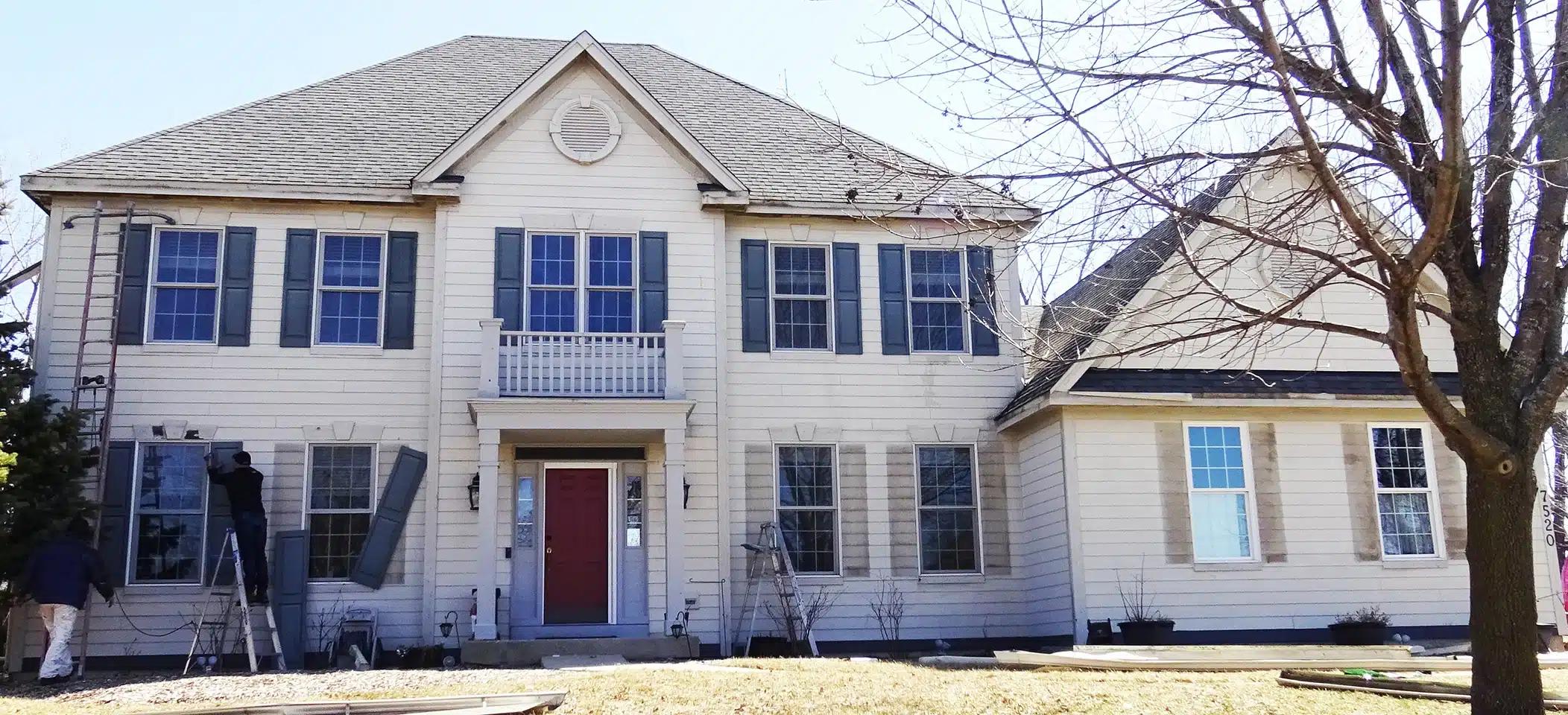
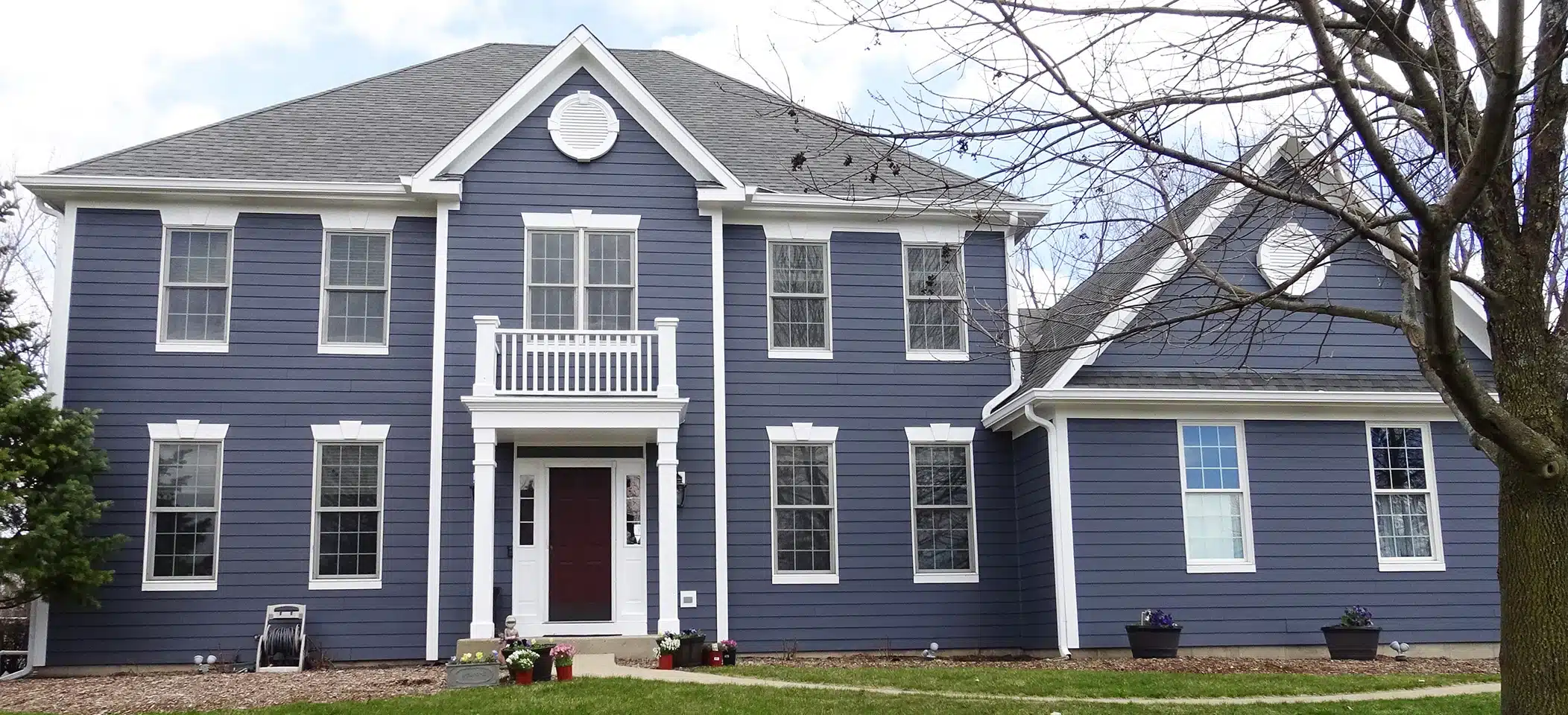
See a Real Hardie Board Customer’s Home: Steve & Stacey (Lakewood, IL)
Steve & Stacey had Home Shield Coating® applied to the Hardie Board and cedar on their Lakewood, Illinois home. Below is the actual before-and-after of their house, followed by their five-star customer review video.
Hardie Board Siding Paint FAQ
What is the best paint for Hardie Board siding?
Use a high-quality exterior acrylic topcoat that is compatible with the existing fiber-cement or painted surface. James Hardie says its pre-primed siding should receive an acrylic topcoat. Product choice, preparation, exposure, and application matter more than one universal brand or lifespan.
Can you paint Hardie Board?
Yes. James Hardie says pre-primed siding should receive an acrylic topcoat, and factory-finished ColorPlus siding can be repainted if you later choose a different color.
Can you paint Hardie Board a different color?
Yes. Inspect the existing finish, clean and prepare it without damaging the board, select a compatible acrylic coating, and review any remaining ColorPlus warranty terms before work begins.
Does Hardie Board need to be painted?
Pre-primed Hardie siding needs an acrylic topcoat. ColorPlus siding arrives factory-finished and does not need an initial field-applied finish.
How often should I repaint my Hardie Board siding?
There is no single reliable interval for every house. Repaint when inspection shows the finish needs renewal, using the selected coating manufacturer’s service-life and maintenance guidance as well as local exposure and workmanship conditions.
How much does it cost to paint Hardie Board siding?
Pricing depends on measured paintable area, height and access, repairs, preparation, the existing finish, labor market, coating system, and number of colors. Request a site-specific, itemized estimate.
What sheen is best for Hardie Board?
Satin or low-luster is a common choice for body siding because it balances appearance and cleanability. Confirm the chosen sheen is supported by the coating system and warranty.
Do I need to prime Hardie Board before painting?
New pre-primed Hardie already has factory primer and should receive the specified acrylic topcoat. Previously painted, exposed, repaired, or damaged areas may need a compatible primer according to the siding and coating instructions.
Can I paint over the factory ColorPlus finish?
Yes. James Hardie’s current FAQ says ColorPlus siding can be repainted if you choose to change colors after installation. Check the existing condition, coating compatibility, preparation requirements, and any remaining warranty terms first.
Can Hardie Board siding be refinished instead of replaced?
Often, yes, when the boards are structurally sound. Repair or replace damaged boards and correct moisture-management problems before choosing a repaint or coating proposal.
Why does Hardie Board siding need proper prep?
The new finish needs a clean, sound, dry, compatible surface. James Hardie advises against high-pressure power washing because it can damage the siding; use the manufacturer’s current care guidance and the coating data sheet.
Is Home Shield Coating a good option for Hardie Board?
It can be an option for structurally sound Hardie Board when the homeowner wants a longer-maintenance coating system. Compare the full preparation scope and review the written 30-year combined transferable warranty and 10-year labor guarantee.