
Can You Paint Vinyl Siding? The Short Answer
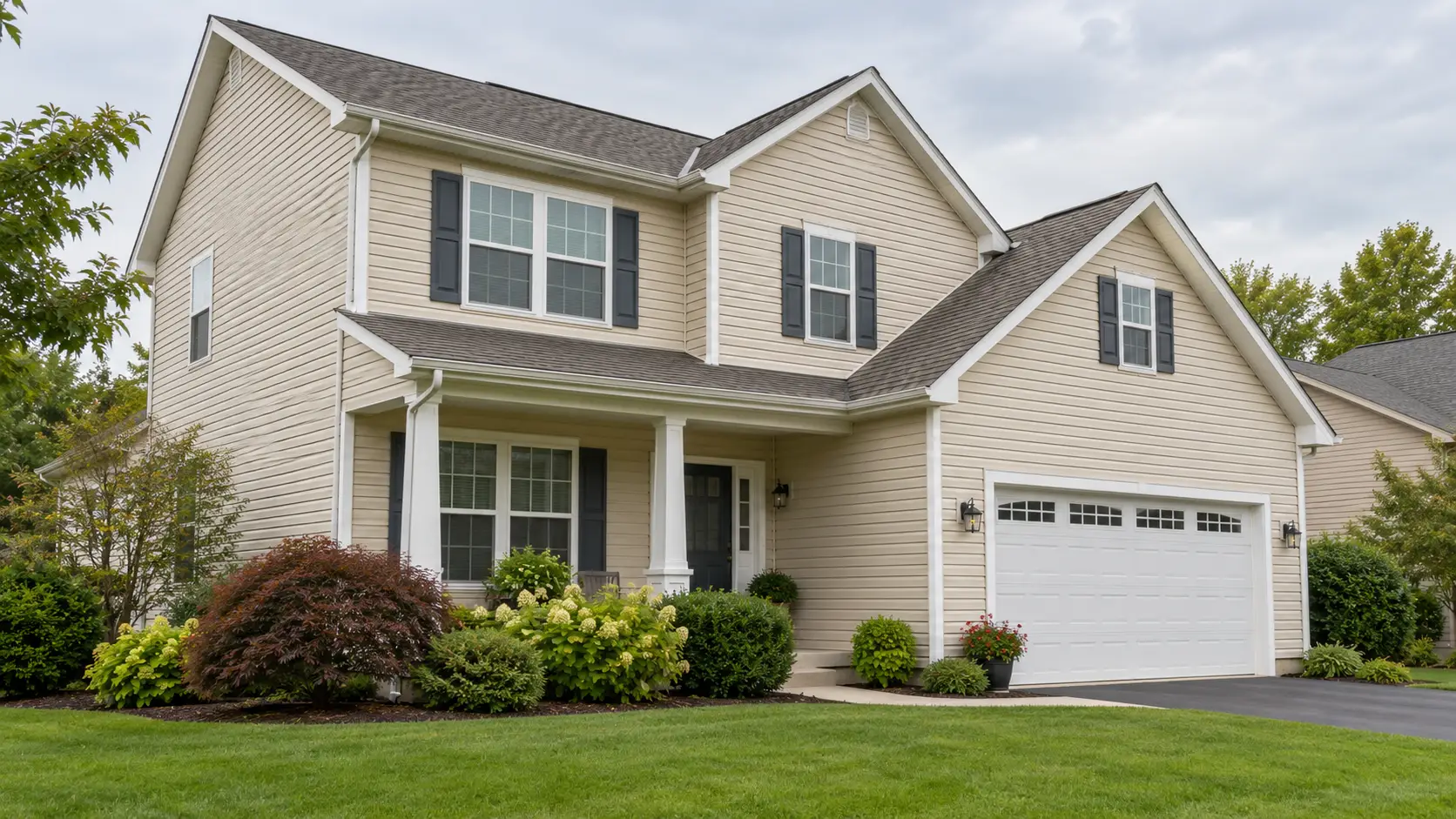
Yes, you can paint vinyl siding. The better question is whether you want to paint it again a few years from now.
Most homeowners who ask us about vinyl are not looking for another maintenance project. They have siding that is faded or dated, but the panels themselves are still in good shape. In that situation, replacing everything can feel wasteful, and ordinary paint is only a temporary fix.
That is where Home Shield Coating® makes sense. We prepare the existing vinyl and spray a compatible permanent coating system. It gives the house a fresh, even finish without putting the homeowner back on a routine repainting schedule.
- The siding must be healthy. Cracked, brittle, warped or loose panels need to be repaired or replaced first.
- The system has to work with vinyl. Vinyl moves as temperatures change, so the coating and application method matter.
- The color has to be appropriate. We use a vinyl-safe color that will not create unnecessary heat buildup.
- The finish is sprayed. Our crews use professional airless spray equipment rather than rolling the siding.
Regular Paint or a Permanent Coating?
A conventional acrylic paint can make faded vinyl look better. A well-done paint job may look great for several years. But it is still paint. Sun, rain and temperature changes slowly wear it down, and eventually it will fade, chalk, crack or peel. Then the house has to be painted again.
Home Shield Coating® is for the homeowner who wants a longer-term answer. We do not treat the house like a quick color-change project. We inspect the siding, clean and prepare it, choose the right coating and color, and spray the complete system for a durable finish.
Color selection is important with any product used on vinyl. The original color, a lighter color or an approved darker vinyl-safe color may be appropriate. Sherwin-Williams and other manufacturers publish product-specific guidance; the Sherwin-Williams VinylSafe color collection is one example.
We do not choose colors from a one-size-fits-all LRV rule. We look at the actual siding, the coating system and the color you want before recommending a safe option.
Why Vinyl Needs the Right Coating System
Vinyl siding is not rigid. On a hot afternoon the panels expand, and when the temperature drops they contract. Installers leave room for that movement at the seams and fastening points.
That does not mean vinyl cannot be coated. It means the material has to be respected. Two details deserve extra attention:
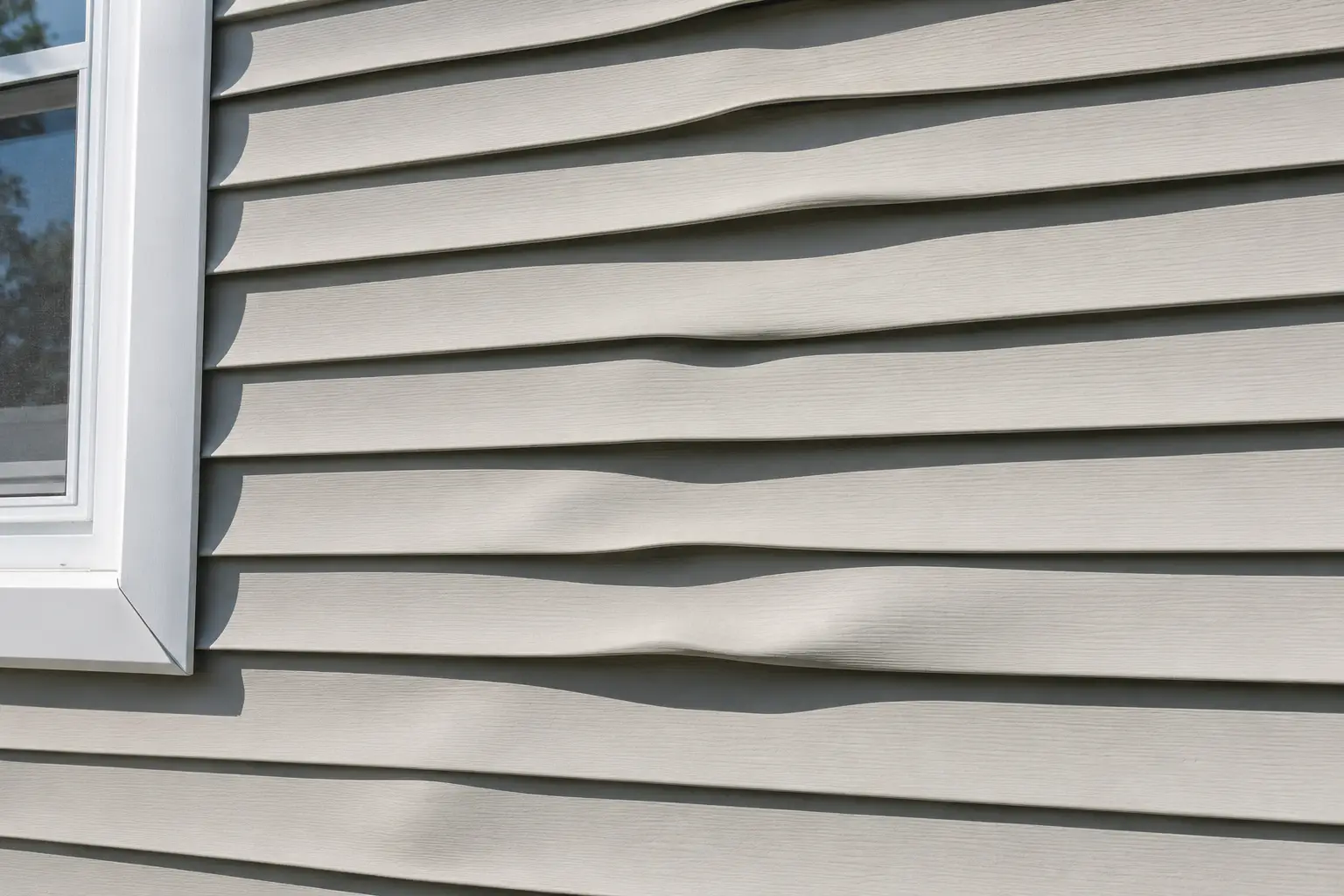
- Heat buildup. A color that absorbs too much heat can cause buckling or distortion. That is why we use an appropriate vinyl-safe color.
- Panel movement. The coating must be applied without sealing the horizontal laps or interfering with the way the siding is designed to move.
Can Older Vinyl Siding Be Coated?
The age of the siding matters less than its condition. We have seen older vinyl that is still flexible, secure and perfectly serviceable. We have also seen newer siding that has been damaged by heat, impact or poor installation.
What matters is the condition of the panels. If the siding is flat, flexible and firmly attached, it may be an excellent candidate for Home Shield Coating®. If it is brittle, cracked, badly warped or repeatedly coming loose, those problem areas need to be replaced first.
Check the Warranty Before Work Begins
Vinyl warranties vary by manufacturer and product line. Applying any paint or coating may affect the warranty if the product or color does not follow the manufacturer’s requirements. If the siding is still under warranty, find the brand and product information and review the current terms before work begins. CertainTeed’s warranty information is one example.
How We Prepare and Coat Vinyl Siding
Good results start long before the sprayer comes out. Here is the basic order we follow:
- Inspect the siding. We look for loose, cracked, brittle or warped panels and check for problems that should be corrected first.
- Handle needed repairs. Damaged sections and active water problems should not be hidden under a coating.
- Clean the exterior. Dirt, chalk, mildew and other residue have to come off so the coating can bond to the surface.
- Allow the siding to dry. The wall needs to be fully dry before coating begins.
- Protect the house and property. We mask windows, trim, outlets and fixtures and cover nearby landscaping and paved areas.
- Confirm the coating and color. We use a vinyl-compatible system and an appropriate vinyl-safe color.
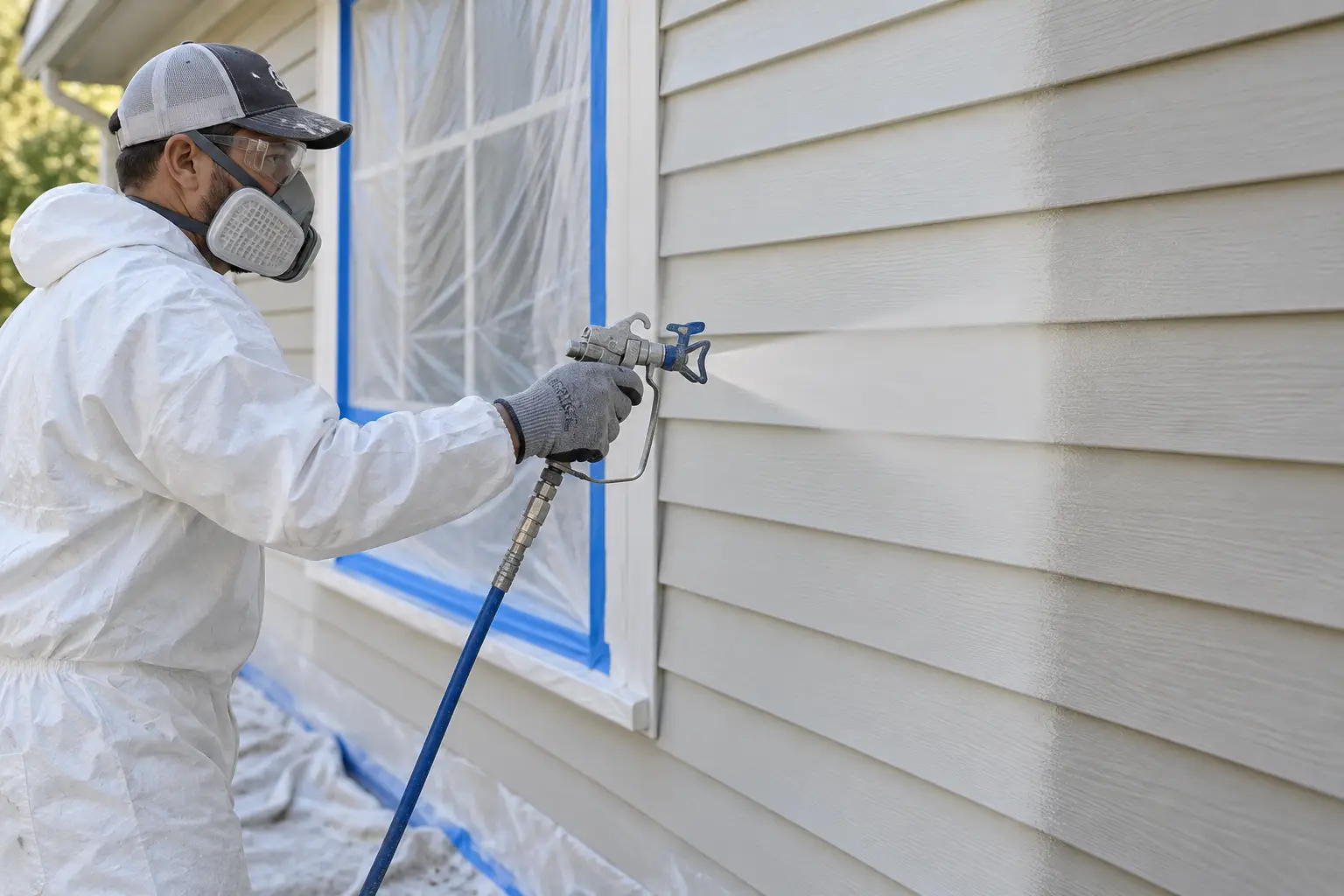
- Spray the specified coating. Our crews use professional airless spray equipment for smooth, controlled coverage. We preserve the siding’s movement gaps and do not seal the horizontal panel laps.
What Does It Cost to Paint Vinyl Siding?
Most homeowners start by comparing the upfront price. That is fair, but it helps to compare the full life of the finish too.
HomeAdvisor’s cost guide offers a useful national reference. Actual pricing today can run higher once labor, preparation, repairs and material quality are included, so the ranges below are a more practical starting point for planning:
| Cost measure | Planning estimate |
|---|---|
| Professional painting | $3 to $4.50 per sq ft |
| About 2,000 sq ft of siding | $6,000 to $9,000 |
| DIY materials and supplies | $1.50 to $2.50 per sq ft |
| Practical planning average | About $6,500 |
Those numbers are for standard paint and are not a Home Shield Coating quote. We price a permanent coating after seeing the home because access, preparation, repairs, trim details and the condition of the siding all matter.
A permanent system may cost more at the beginning than a basic paint job. The tradeoff is that you are not budgeting for the same house to be painted again and again.
How Long Does Paint Last on Vinyl?
A conventional paint finish on vinyl often lasts about three to five years. Climate, sun exposure, preparation and paint quality can shorten or extend that range. Even when everything is done correctly, paint is still a maintenance finish. At some point it will need another coat, and peeling is a common sign that the old film has reached the end of its useful life.
Home Shield Coating® is meant to break that cycle. We first spray Part A, our proprietary pink water-bonding primer. Once that foundation is ready, we spray Part B, the Home Shield Coating® top coat. Together, the two layers create a permanent coating system that gives sound vinyl a durable new exterior finish.
Florida, Illinois and Wisconsin Homes
- Florida: Strong sun, heat and UV exposure make the coating and color choice especially important. We also pay close attention to surface temperature and the weather window during application.
- Illinois and Wisconsin: Big temperature swings make panel movement more noticeable. The work has to be scheduled when daytime and overnight conditions stay within the coating system’s requirements.
Should You Paint, Coat or Replace the Siding?
| What we find | What usually makes sense |
|---|---|
| Faded siding that is flat, flexible and secure | Home Shield Coating® is a strong long-term option |
| A few cracked or loose panels | Replace those panels, then coat the sound exterior |
| Widespread warping, brittleness or cracking | Replace the failing siding first |
| Siding that is still under warranty | Review the warranty before choosing a finish |
| Sound siding that is simply dirty | Clean it first; it may not need a new finish yet |
| The lowest possible upfront cost is the priority | Standard paint may cost less now, but it will require future repainting |
Is It Vinyl or Aluminum?
Some homes that look like they have vinyl siding actually have aluminum. Two quick checks can offer a clue, although a contractor should confirm the material before any sanding or preparation begins:
- Tap it. Aluminum sounds metallic and dents more easily. Vinyl flexes and sounds more hollow.
- Rub it. Older aluminum often leaves a white, chalky residue on your hand.
Both materials can be excellent candidates for Home Shield Coating when they are in good condition. You can also read our guides to painting aluminum siding and chalking on aluminum siding. If older siding may contain asbestos, review our asbestos siding guide before disturbing it.
Vinyl Siding Coating FAQ
Is Home Shield Coating® better than regular paint for vinyl?
If the siding is in good condition and the homeowner wants a long-term finish, we believe it is. Regular paint eventually needs to be repainted and may peel as it ages. Home Shield Coating is a complete system that is prepared and sprayed for lasting protection and color.
Can vinyl siding be changed to a darker color?
Sometimes, but not every dark color is safe on every type of vinyl. We use a color that is approved for the siding and coating system so the panels do not absorb excessive heat and warp.
Will coating the siding affect its warranty?
It can. Warranty terms differ by manufacturer, so current requirements should be checked before applying paint or coating to siding that is still covered.
What if I still want to use regular paint?
Use a quality acrylic exterior product that is specifically approved for vinyl siding. Just go into the project knowing that it is a maintenance finish and will eventually need to be repainted.
Do you roll the coating onto vinyl?
No. Our crews use professional airless spray equipment. Spraying gives us smooth, even coverage and lets us control the application around seams, trim and detailed areas.
How often does painted vinyl need to be repainted?
Three to five years is a practical planning range for conventional paint on an exposed exterior. Harsh sun, heat, weak preparation and lower-quality products can shorten that time.
Can plastic siding be coated?
Vinyl is a plastic siding material. If the panels are clean, stable and in good condition, Home Shield Coating may be a very good permanent solution.
Why Home Shield Coating® Makes Sense for Vinyl Siding
Most homeowners do not call us because they want another paint job. They call because they are tired of paying to repaint the same exterior or because they want to update faded siding without replacing material that still works.
When the vinyl is healthy, Home Shield Coating gives us a practical way to solve that problem:
- We work with the siding that is already there. Sound panels do not have to be torn off simply because the color is faded or dated.
- We prepare the surface carefully. A lasting finish depends on cleaning, repairs and proper preparation.
- We spray the coating. Airless spray application creates the smooth, even finish our customers expect.
- We help choose a vinyl-safe color. The goal is a beautiful result without creating unnecessary heat stress.
- We replace the repainting cycle with a permanent system. That is the real difference between Home Shield Coating and another coat of ordinary paint.
Read our permanent exterior coating guide to learn more about how the system works.
Want Us to Look at Your Vinyl Siding?
We will inspect the siding and give you a straightforward answer. If the panels are a good candidate for Home Shield Coating®, we will explain the preparation, color choices and application process. If repairs or replacement make more sense, we will tell you that too.
Call 800-330-9651 or request a free estimate.