

Best Exterior House Paint Brands
Choosing the right exterior paint for your home involves more than just selecting a color. Homeowners face a complex decision, considering the myriad paint types, each with its own advantages, disadvantages, and cost. The added challenge of hiring a qualified painting contractor from a pool of proposals with varying prices and levels of detail can be daunting. However, with the right guidance, selecting the ideal paint and a reputable contractor can be a smooth and manageable process.
Looking for the Best Exterior House Paint from 2025?
If you found this guide while searching for 2025 exterior paint recommendations, this current update keeps the same homeowner-focused comparisons but reflects newer pricing, product positioning, and long-term coating considerations. The biggest takeaway is the same: the best choice depends on your surface, climate, prep work, and how long you want to avoid repainting.
For surface-specific guidance, see our guides for aluminum siding painting, painting asbestos siding, Hardie Board siding, cedar siding, and Roof Shield Coating.
Best Exterior Paint by Home Type: Wood, Stucco, Cedar & Fiber Cement
The best exterior paint for your house depends on what your siding is made of. A paint that holds up beautifully on fiber cement can peel within a year on cedar. Here is the short answer for each common surface — click through for the deep-dive guide.
- Best exterior paint for wood siding: a 100% acrylic latex like Sherwin-Williams SuperPaint or Emerald, applied over a bonding primer. On cedar that already has a semi-transparent stain, staying with a compatible stain is safer than switching to solid paint.
- Best exterior paint for stucco: a high-quality elastomeric like Behr Premium Plus Elastomeric bridges hairline cracks and moves with the wall. Regular acrylic paint on cracked stucco fails within a couple of seasons.
- Best exterior paint for Hardie board (fiber cement): James Hardie recommends 100% acrylic latex — SuperPaint or Emerald are strong picks. Fiber cement does not need a coating system in most cases.
- Best exterior paint for aluminum siding: a bonding primer plus 100% acrylic latex. Aluminum flexes with temperature swings, so film flexibility matters more than film thickness.
- Best exterior paint for asbestos-cement siding: use a bonding primer and encapsulate rather than sand or pressure-wash. See our painting asbestos siding guide.
If your home has repeatedly failing paint, chronic stucco cracking, or you simply do not want to repaint every 3–5 years (harsh climates) to 4–7 years (moderate climates), a permanent exterior wall coating is a different category of product — thicker film, professional prep, and a much longer warranty. That comparison is covered further down this page.
Exterior Paint Pricing Today
This exterior paint buyer’s guide aims to simplify this process. Drawing on over 26 years of experience in the paint and permanent coatings industry, we offer practical, real-world advice on key considerations for choosing the best exterior paint for your property, including fair pricing and how to select the right contractor. The pricing information provided is based on our field experience, but keep in mind that costs can vary regionally.
Exterior Paint Types Discussed:
- Stains
- Latex Paint
- Elastomeric Paint
Choosing the Right Exterior Paint or Coating
If you are comparing regular exterior paint, elastomeric paint, or a longer-lasting exterior wall coating, Home Shield Coating can inspect your siding, stucco, Hardie board, or masonry and explain which system makes the most sense for your home. Request a free exterior coating estimate and we will review the condition of your surface, prep needs, warranty expectations, and realistic current pricing before you choose a contractor.
Get a Free Exterior Paint and Coating Estimate
Exterior Paint Quick Comparison
The best exterior paint depends on the surface, the climate, and how long you want the finish to last. Use this quick comparison before you choose a product or hire an exterior painting contractor.
| Paint or Coating Type | Best For | Main Advantage | What to Watch |
|---|---|---|---|
| Acrylic latex exterior paint | Many wood, fiber cement, and previously painted homes | Flexible, breathable, and widely available | Performance depends heavily on prep, primer, and film thickness |
| Elastomeric paint | Stucco, masonry, and hairline cracking | Can bridge small cracks and add weather resistance | Wrong product or application can trap moisture |
| Semi-transparent stain | Natural cedar siding and wood grain finishes | Penetrates wood and preserves natural appearance | Usually needs more frequent maintenance than a coating system |
| Permanent exterior wall coating | Homeowners who want longer service life and stronger protection | Thicker protective system with professional prep and warranty support | Higher upfront cost than a basic repaint |
Longest-Lasting Exterior Paint: What Actually Holds Up
Most manufacturers advertise up to 25-year warranties on premium exterior paint, but the real-world lifespan of a typical acrylic latex repaint is 3 to 5 years before it needs touch-up or full recoat, depending on your climate, sun exposure, prep quality, and how many coats were applied. For a real-world contrast, see how Home Shield Coating® on cedar siding held up for 25 years on a Chicago lakefront home.
- Standard 100% acrylic latex (SuperPaint, Emerald): 4–7 years in moderate climates, 3–5 years in harsh climates like high-UV Florida sun.
- Elastomeric on stucco: 3–5 years in harsh climates and 4–7 years in moderate climates if the wall is not trapping moisture and the surface was properly prepped.
- Permanent exterior wall coatings (spray-applied ceramic and acrylic systems, professionally installed): 20+ years of documented performance, backed by combined product-plus-labor warranties.
If you are searching for the longest-lasting exterior paint or lifetime exterior paint, the honest answer is that no over-the-counter can of paint from a big-box store will realistically deliver 20+ years on a full home exterior. Products in that lifespan class are professionally applied coating systems — thicker, sprayed on, and warrantied by the installer, not just the manufacturer. See our lifetime exterior paint buyer’s guide for how to compare warranties honestly.
Best Exterior Paint for Florida & Other Hot-Sun Climates
Florida, Arizona, and Gulf Coast homes face the toughest conditions in the country for exterior paint: intense UV, driving rain, salt air, hurricane winds, and stucco that expands and contracts constantly. The best exterior paint for Florida homes needs three things a general-purpose paint does not:
- High UV resistance — the sun in central and south Florida degrades organic pigments 2–3x faster than in the Midwest.
- Flexible film — Florida stucco moves with heat and humidity, so a rigid paint film cracks and lets water in.
- Mildew and algae resistance — humidity means anything not engineered for it will streak within 18 months.
For most Florida stucco homes, a 100% acrylic elastomeric is the entry-level answer. For homes with recurring stucco cracks, north-facing algae streaks, or owners who want to stop repainting on the Florida timeline, a permanent exterior coating designed for Florida sun and humidity is a different category. Read our full stucco crack repair guide if cracks are already letting moisture into the wall.
Helpful Exterior Paint Guides by Surface
For a deeper comparison, review the guide that matches your home’s exterior surface:
Ready to stop repainting? Explore our permanent coating solutions by surface: permanent waterproof stucco coating, best long-lasting coating for cedar siding, and permanent coating for aluminum siding.
- Best paint for cedar siding if your home has cedar, wood grain, or failing stain.
- Best exterior paint for Hardie board siding if you have fiber cement siding.
- Lifetime exterior paint buyers guide if you are comparing warranties and long-term cost.
- Roof Shield Coating if you are researching roof coating options.
- Best exterior paint for Florida if you are dealing with sun, heat, humidity, and stucco cracking.
- Stucco crack repair and waterproofing if cracks are letting moisture into your Florida stucco.
- Exterior wall coating for waterproofing stucco if you need a coating system instead of basic paint.
- Painting asbestos siding if your home has older asbestos-cement shingles.
Best Exterior Paint FAQ
What is the best exterior paint for most homes?
For many homes, a high-quality 100% acrylic exterior paint is a strong choice because it stays flexible, resists weathering, and works on many properly prepared surfaces. For homes with stucco cracks, older siding, severe weather exposure, or owners who want a longer-lasting system, a professionally applied exterior wall coating may be a better fit than a basic repaint.
Is elastomeric paint better than regular exterior paint?
Elastomeric paint can be better for stucco, masonry, and small surface cracks because it forms a thicker, more flexible film. It is not automatically the best choice for every home, because the wall needs to breathe and the surface must be prepared correctly before application.
What is the best paint for cedar siding?
The best paint or stain for cedar siding depends on the current finish. If the cedar has a semi-transparent stain, staying with a compatible stain is often the safest approach. If the siding is weathered, peeling, or repeatedly failing, a professionally prepared coating system may provide longer-term protection.
How do I choose the best exterior painting contractor?
Compare more than the price. Ask each contractor about surface prep, primer, film thickness, repair work, warranty terms, product specifications, and whether the proposal explains exactly what will be done before painting begins.
Best Cedar Siding Exterior Stain
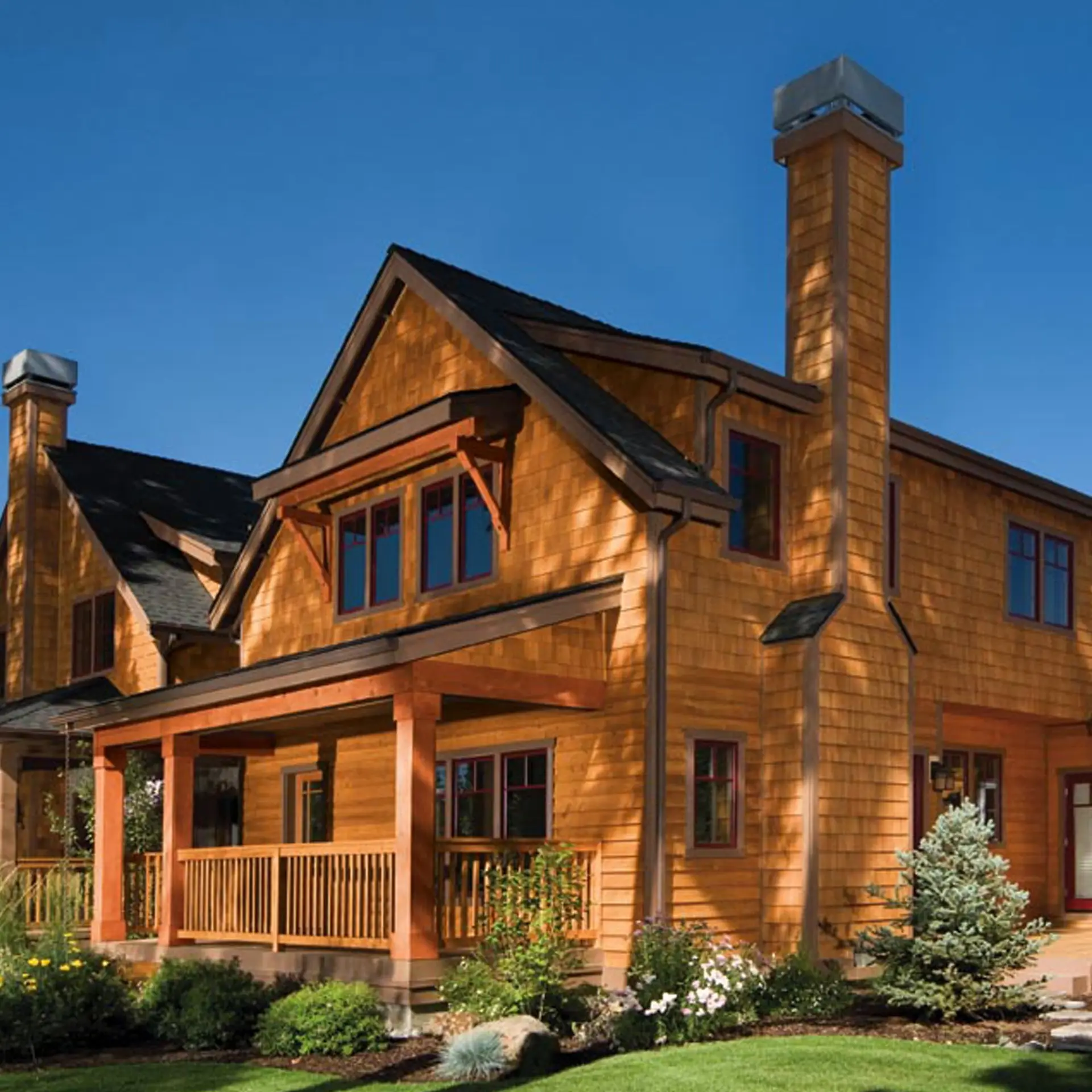
For cedar that already has a semi-transparent stain, continuing with a compatible semi-transparent stain is usually safer than applying a solid latex film. We have used Olympic Elite by PPG on cedar because it preserves the wood-grain appearance and can be maintained without stripping a peeling paint film.
- Best fit: Cedar where the homeowner wants the natural grain to remain visible.
- Main tradeoff: Semi-transparent stain needs periodic maintenance, but it typically fades instead of forming a thick peeling film.
- Before changing systems: Inspect moisture, the existing finish, loose wood fibers, and any needed carpentry repairs.
Cedar is moisture-sensitive and needs more substrate-specific guidance than a general paint ranking can provide. See our complete cedar siding painting and coating guide for preparation, application, and long-term options, or estimate current project costs.
Best Acrylic Latex Exterior Paint
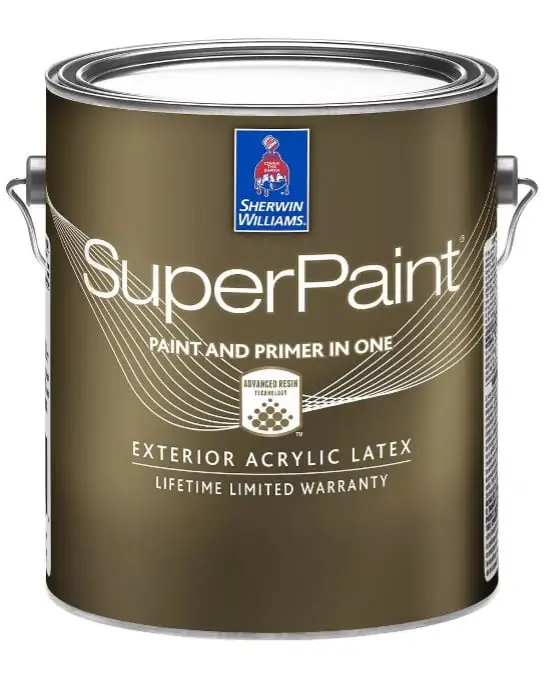
The Best Acrylic Latex Paint: Sherwin-Williams SuperPaint
Our top recommendation for exterior painting is Sherwin-Williams SuperPaint. This high-quality paint delivers exceptional performance and protects your home against harsh weather. Its advanced acrylic resin technology ensures smooth application, fade and peel resistance, and excellent adhesion and color retention. We have seen SuperPaint last up to 6 years on exteriors.
SuperPaint’s Key Features:
- Dirt and Mildew Resistance: Maintains a clean and fresh appearance.
- Advanced Resin Technology: Provides excellent adhesion, coverage, and color retention.
- Exceptional Coverage and Durability.
SuperPaint is Ideal for:
- Aluminum Siding
- Vinyl Siding
- Hardie Board
- Brick
- Stucco
Average Cost to Paint a 2,500sq ft Wood-Sided Home
The average cost to paint a wood-sided home with a high-grade acrylic latex paint is between $3.75 and $4.50 per square foot. Painting with latex paint is often more labor-intensive due to the scraping and sanding required for peeling paint. For a 2,500 sq ft home, the average price is $9,375 to $11,250, plus carpentry repairs. These prices assume professional application and proper surface preparation. Plan for an additional $15 to $20 per foot for carpentry repairs.
✅ Pros of Acrylic Latex Paints:
- Excellent two-coat coverage.
- Excellent adhesion.
- Resists dirt and mildew.
- Can last up to 6 years.
- Suitable for DIY projects.
❌ Cons of Acrylic Latex Paints:
- Requires repainting every 3 to 5 years.
- Darker colors may fade.
- Recurring maintenance expense.
- Two coats recommended.
- Limited labor warranty (1 to 2 years).
National Average Cost to Paint Different Exterior Surfaces
These field-based estimates use acrylic latex paint. Actual prices vary by region, year, surface condition, preparation, and repair needs.
| Surface | Cost Per Sq. Ft. | Possible Additional Cost |
|---|---|---|
| Aluminum or metal siding | $3.25–$4.00 | Siding replacement |
| Brick exterior | $4.75–$6.00 | N/A |
| Hardie Board siding | $3.75–$4.75 | Siding replacement |
| LP SmartSide | $3.75–$4.75 | Siding replacement |
| Stucco exterior | $4.75–$6.00 | Crack repairs |
| Vinyl siding | $3.25–$4.00 | Siding replacement |
| Wood siding | $4.75–$6.00 | Wood replacement |
Best Elastomeric Stucco Paint
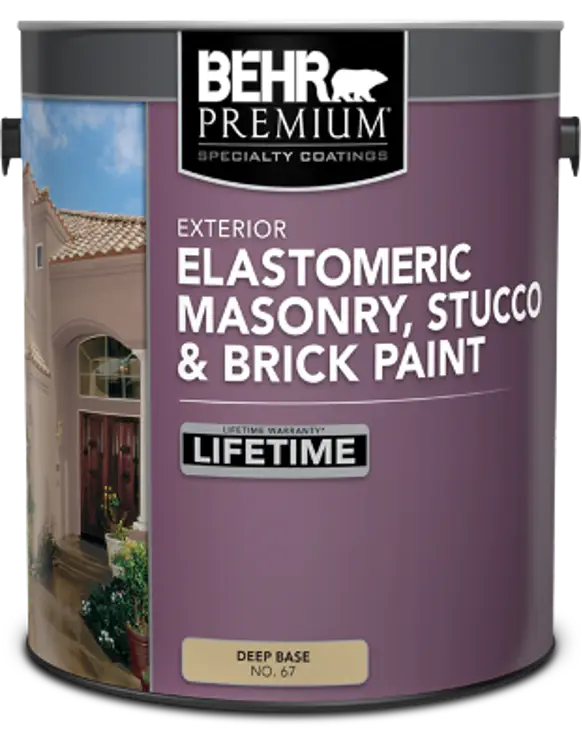
The Best Elastomeric Paint for Stucco and Brick: Behr Premium Elastomeric Latex Paint
For stucco and brick, we recommend Behr Premium Elastomeric Latex Paint. This paint is ideal for stucco properties with hairline cracks. If you are dealing with leaks or moisture behind the walls, read how we stop stucco water intrusion for good. Elastomeric paints are thicker than standard latex paints, concealing existing cracks and helping prevent future ones. They are specifically formulated for masonry, stucco, and brick, and should not be used on other surfaces like wood, metal, or vinyl siding.
Elastomeric Paint Durability Elastomeric paints are flexible, high-build coatings designed to expand and contract, bridging hairline cracks in vertical masonry surfaces. This extremely durable, mildew- and dirt-resistant, waterproof finish has superior elasticity and elongation properties to resist cracking. For a permanent solution, see our guide to waterproofing stucco exterior walls. It can withstand 98 mph wind-driven rain. The 100% acrylic latex formula provides a breathable film, releasing moisture that builds up in walls. A good over-the-counter elastomeric paint should last 3–5 years in harsh climates and 4–7 years in moderate climates, but this depends primarily on proper surface preparation and application. Despite label claims, no standard paint lasts a lifetime. Paint manufacturers are in the business of selling paint and appreciate repeat business and brand loyalty. More durable and longer-lasting alternatives are available, offering cost savings by eliminating frequent repaints. Home Shield Coating®, for example, can save you money in the long run.
Elastomeric Paint is Ideal for:
- Masonry
- Stucco
- Brick
Average Cost to Paint a 2,500 sq ft Stucco Home
The average cost to paint a stucco home with a high-grade elastomeric latex paint ranges from $3.75 to $5.50 per square foot. Thorough cleaning is essential before painting a brick or stucco house. After power washing, cracks should be repaired, and the entire property should be primed before applying the elastomeric paint. Painting a house with elastomeric paint is more labor-intensive, typically requiring priming the entire house. The average price to paint a 2,500 sq ft stucco home is $9,375 to $13,750. These prices assume you will hire a painting contractor who uses the correct amount of paint and performs proper surface preparation. If you’re looking for an exterior paint that lasts over 20 years, be aware that no such paint exists. For the most durable and longest-lasting exterior finish, consider a permanent wall coating system like Home Shield Coating®. Click here to schedule an estimate.
✅ Pros of Elastomeric Latex Paints:
- Excellent Coverage.
- Excellent Adhesion.
- Resists Dirt and Mildew.
- Can Last Up to 5 Years.
- Hides Hairline Cracks.
- Helps Waterproof Stucco.
❌ Cons of Elastomeric Latex Paints:
- Requires Repainting (typically every 3–5 years in harsh climates and 4–7 years in moderate climates).
- Darker Colors May Fade.
- Not Suitable for All Surfaces.
- Recurring Maintenance Expense.
- A Good Primer is Recommended.
- Limited Labor Warranty (1 to 2 Years).
- Not a Good DIY Option.
Home Shield Coating® Best All Around Permanent Wall Coating System
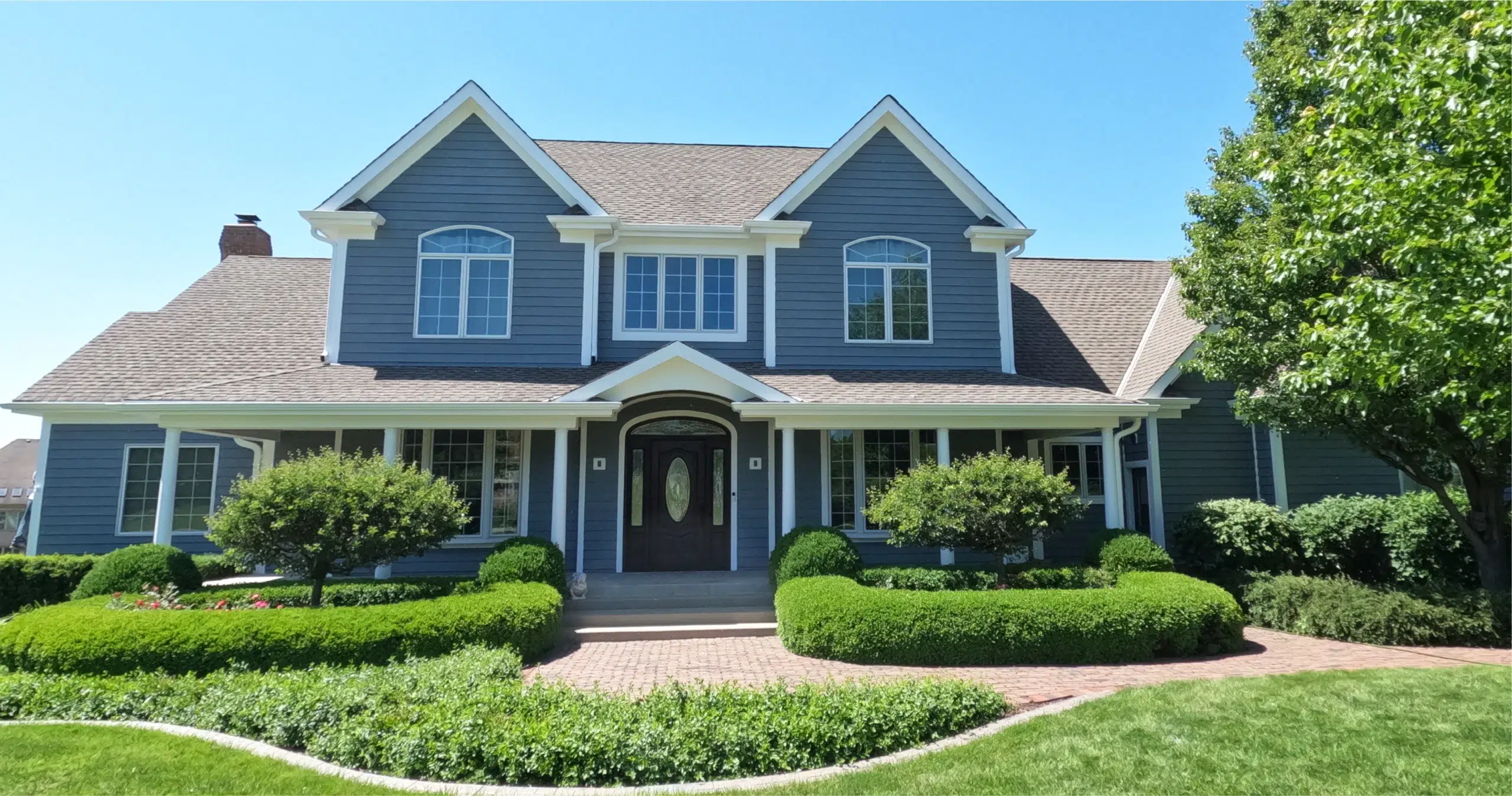
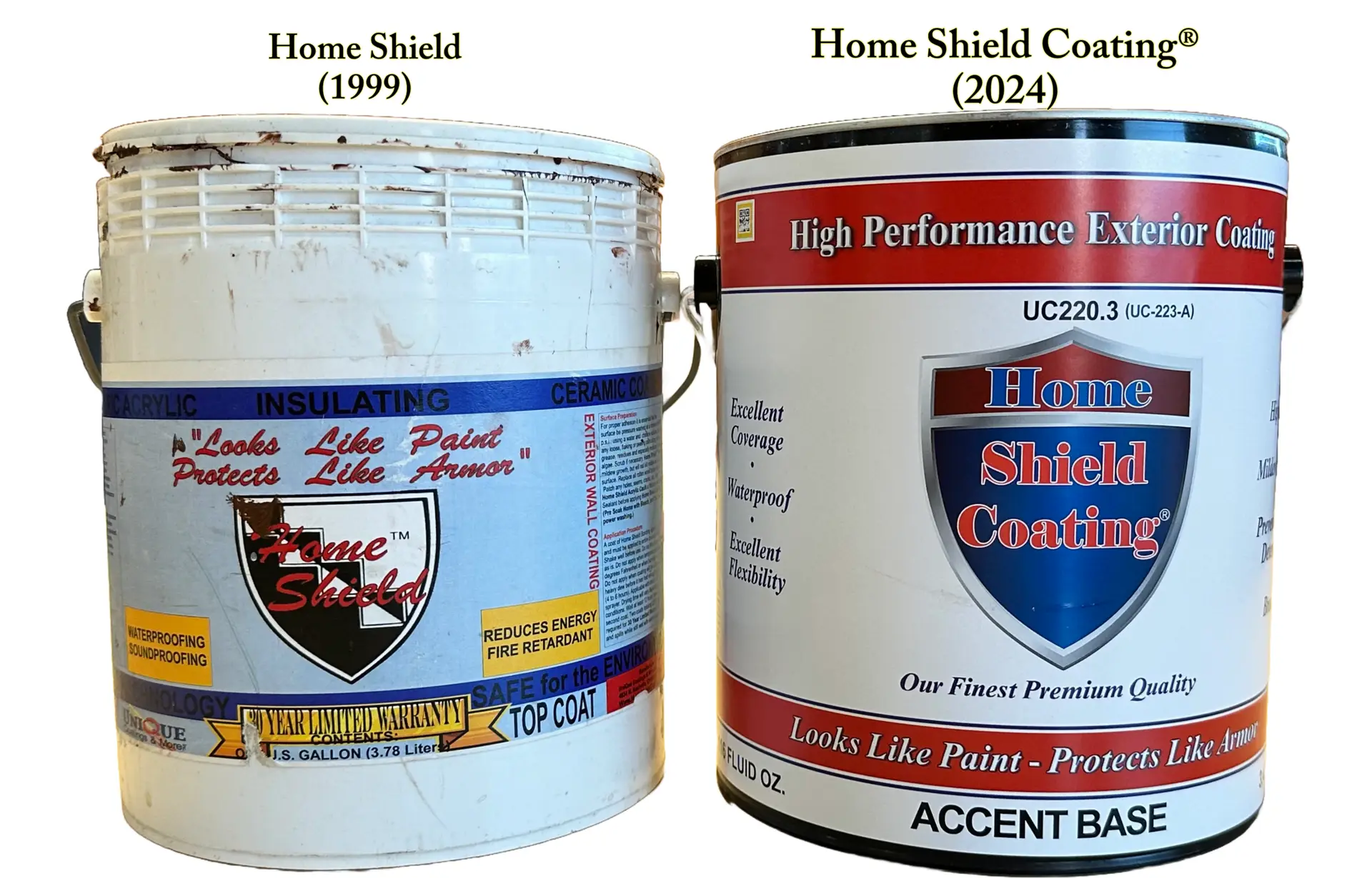
Home Shield Coating® is a Money Saving Alternative to Standard Paint
Home Shield Coating® is a tough, durable coating that was initially designed for commercial exterior painting applications and has been used to protect the exterior of mid-rise buildings, power plants and many other exterior surfaces that require a durable, long-lasting permanent coating system. This durable commercial grade permanent coating system is designed to be a money saving alternative traditional exterior paint this is why it’s often referenced as the best exterior house paint.
Home Shield Coating® Isn’t Sold in Stores and it’s Applied by Our Highly Skilled and Certified Crews.
Home Shield Coating® is a proprietary product which isn’t sold in stores because special sprayers are needed for its application. Home Shield is available exclusively through our own distribution network. Because of the detailed, eleven-step application process we use it takes on average 5 to 6 days for us to coat a property. Our install crews are skilled craftsmen that are trained and certified in the application process of Home Shield this ensures you will get a high-quality professional outcome.
Home Shield Coating® Comes with a 30-Year Combined Warranty
Home Shield Coating® is the only actual three-coat permanent exterior coating system available for residential and commercial applications. Home Shield comes with the most comprehensive warranty in the industry—a 30-year combined warranty that includes an industry-exclusive 10-year labor warranty. We are so confident in the longevity and durability of Home Shield Coating® that we even allow you to transfer the unused portion of the warranty to a new homeowner in the event you sell your property.
Home Shield Coating® is engineered using the latest advances in nano-coating technology.
Our advanced formulation utilizes hybrid copolymer resins infused with hollow-core ceramic microspheres, suspended in a high-performance, 100% acrylic copolymer matrix. This architectural-grade polymer is engineered through the controlled cross-linking of acrylic and methacrylic monomers, enabling precise resistance to thermal, mechanical, and chemical wear.
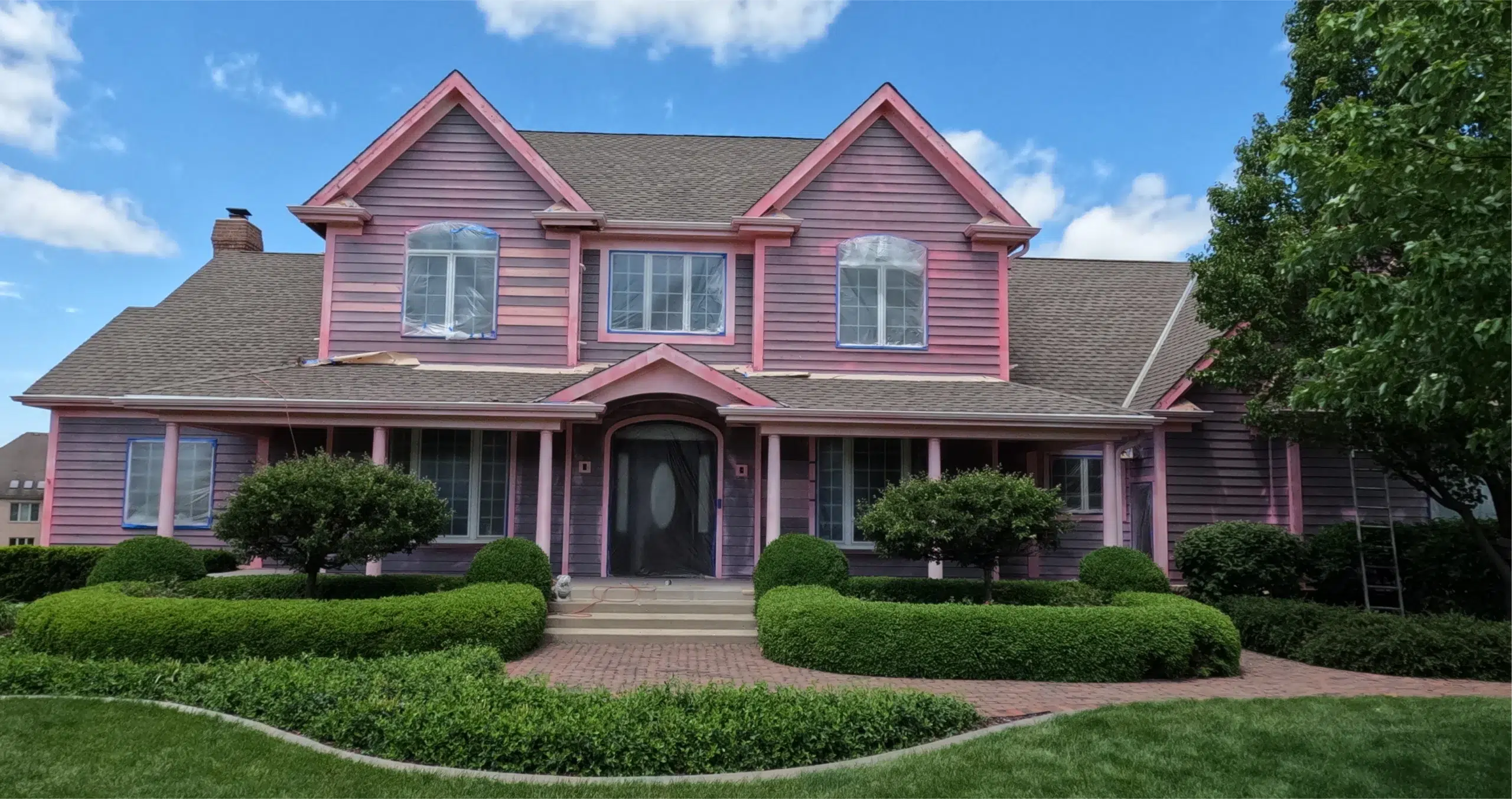
To ensure a permanent bond, Home Shield Coating® is applied over a proprietary, surface-penetrating bonding agent (Pink Primer) that creates a tacky, high-adhesion anchor layer on complex substrates. Once cured, it forms a permanent protective shield that stops even the most brutal hurricane-force, wind-driven rain and extreme weather right in its tracks.
The cured membrane delivers exceptional tensile strength and up to 300% elongation, allowing it to expand and contract with the substrate and bridge hairline fractures before they migrate into visible cracks. Formulated as a high-solids, low-VOC system, Home Shield Coating® pairs superior vapor transmission (breathability) with a permanent moisture barrier — so trapped humidity escapes while wind-driven rain, UV, and freeze-thaw cycling stay locked out.